Who's the audience?
Who's the audience?
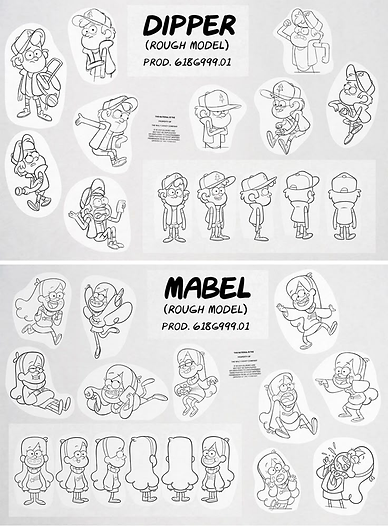
The target audience for my animatic is 13 - 18 year olds, specifically boys since I want it to have a more masculine appeal. I want to take inspiration from shows like regular show, gravity falls, smiling friends, home movies and adventure time. The dialogue will be most like Smiling friends or home movies since they're the ones that sound the most genuine and off the cuff, like the VA's got basic guidelines as a script and free-balled the rest.
there's definitely an audience for this kind of humour especially in young people. smiling friends, for example is one of the most popular shows amongst the younger generations. It only came out in 2022 yet is considered a flagship show of the network (Adult Swim) and is widely popular with teens and young adults for its unique animation, satirical dialogue, and internet-influenced style of humour.
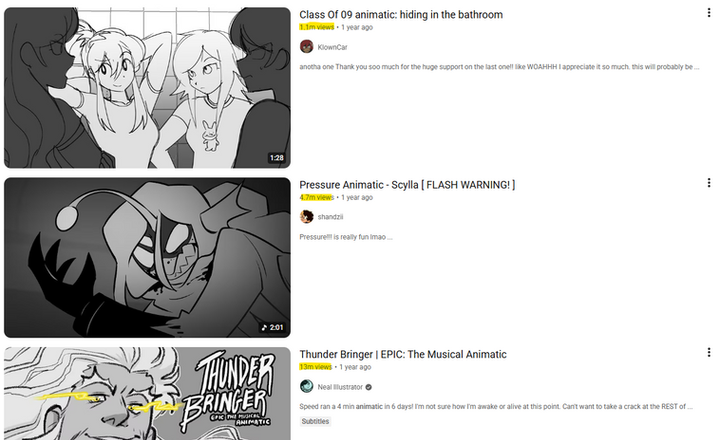
Animatics in general are also very popular online, with some gaining millions of views on youtube.
My target audience being teens puts me in a weird position, since teens are possibly the demographic least interested in cartoons. not many animated shows are aimed directly at teens, since they're often at this stage where they feel they're too mature to watch "kids shows", any that do show an interest in animation usually go straight to family guy and south park, shows that are aimed predominately at adults.


There is a lack of cartoons aimed directly at teens, which is the gap in the market I'm attempting to fill. as someone who was, and still is, a teenager interested in cartoons, I'm aware that there most definitely IS an adolescent audience, there's just a lack of age appropriate content.
to achieve this ill make sure my animatic doesn't feel too childish or too mature, right in the sweet spot. I feel this way my animatic could tap into a market currently untouched.
Audience Survey
Audience Survey
I conducted a survey to gage my audience and see if the demographic I'm aiming my project at is interested. I tried to survey young people between 16-18 though there are some responses from older people.


From this survey I have gathered that there is definitely a teenage demographic for cartoons. more people than i expected still watch cartoons which is good since my product appeals to a larger demographic. although an animatic is just a rough cut for a final animation, there seems to be a somewhat small audience for them online, reflected by certain responses I got. the survey also confirmed my observation that teenagers often jump straight from kids cartoons to adult animation like family guy, proving that there is a gap in the market for my product, a show that targets specifically teenagers.
Animation Principles
Animation Principles
12 Principals of Animation
- Frank Thomas & Ollie Johnston
The 12 principals of animation were first outlined in "The Illusion Of Life: Disney Animation", written by Disney animators Frank Thomas & Ollie Johnston. It's considered an incredibly important tool in learning the art of animation, providing the reader with all the basic tools to bring a character to life.
The 12 Principals include:
- Squash and stretch
- Anticipation
- Staging
- Secondary action
- Timing
- Appeal of Character
- Straight ahead action vs. Pose to pose
- Follow through & Overlapping action
- Slow in/out (aka easing)
- Arcs
Since I'm creating an animatic and not an animation, I wont need to follow all of these rules. However, since an animatic is the basis for an animation, I think its important to at least understand the basics before I start production. here are the ones i feel will be the most helpful.
1.
Squash and Stretch
This is the idea that moving objects will get longer or flatter during a movement. This is to emphasise and exaggerate the speed and weight of the object.
here is an example of a ball that squashes vs a ball that doesn't.
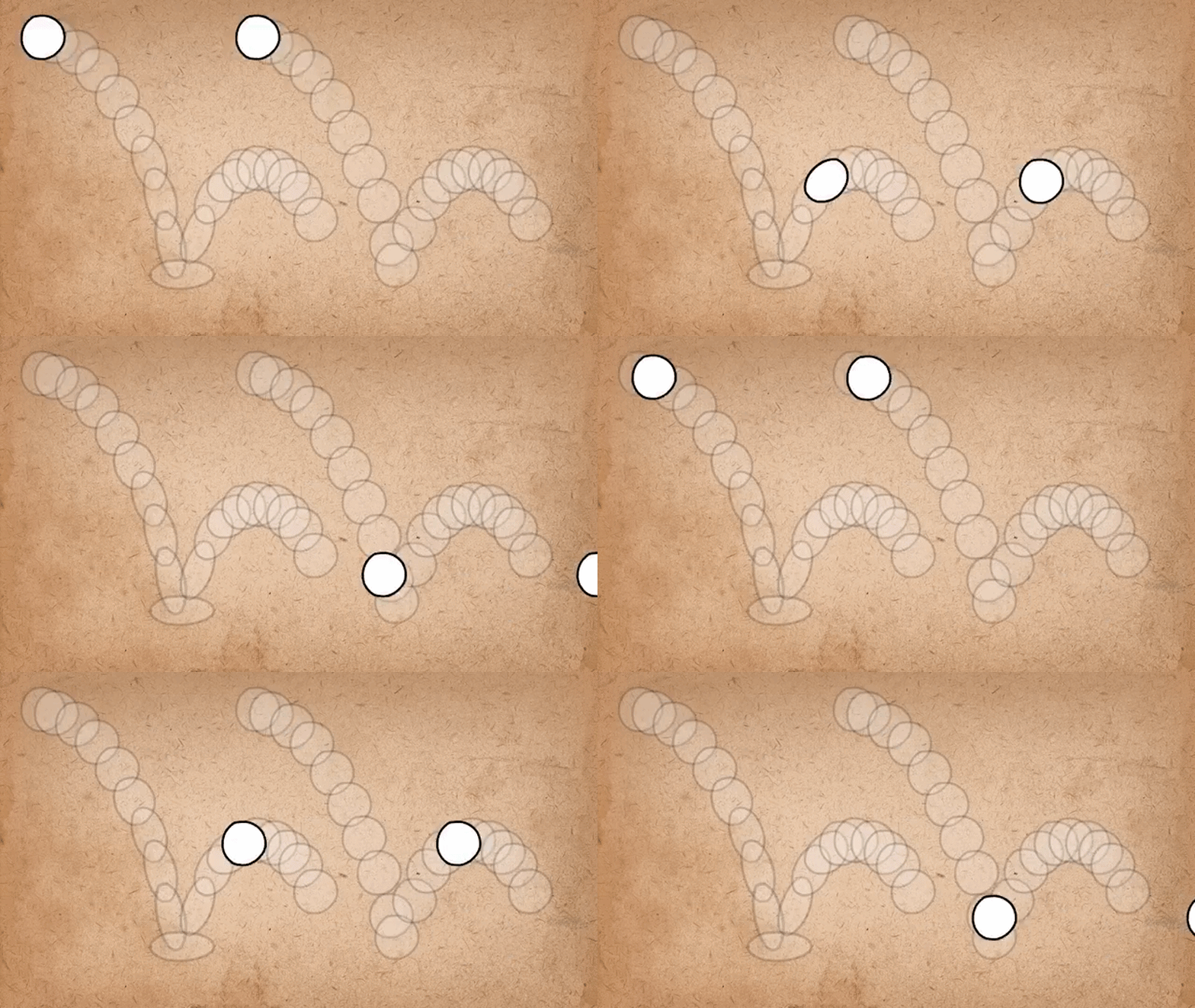
Here's my attempt at a ball falling using squash and strech:
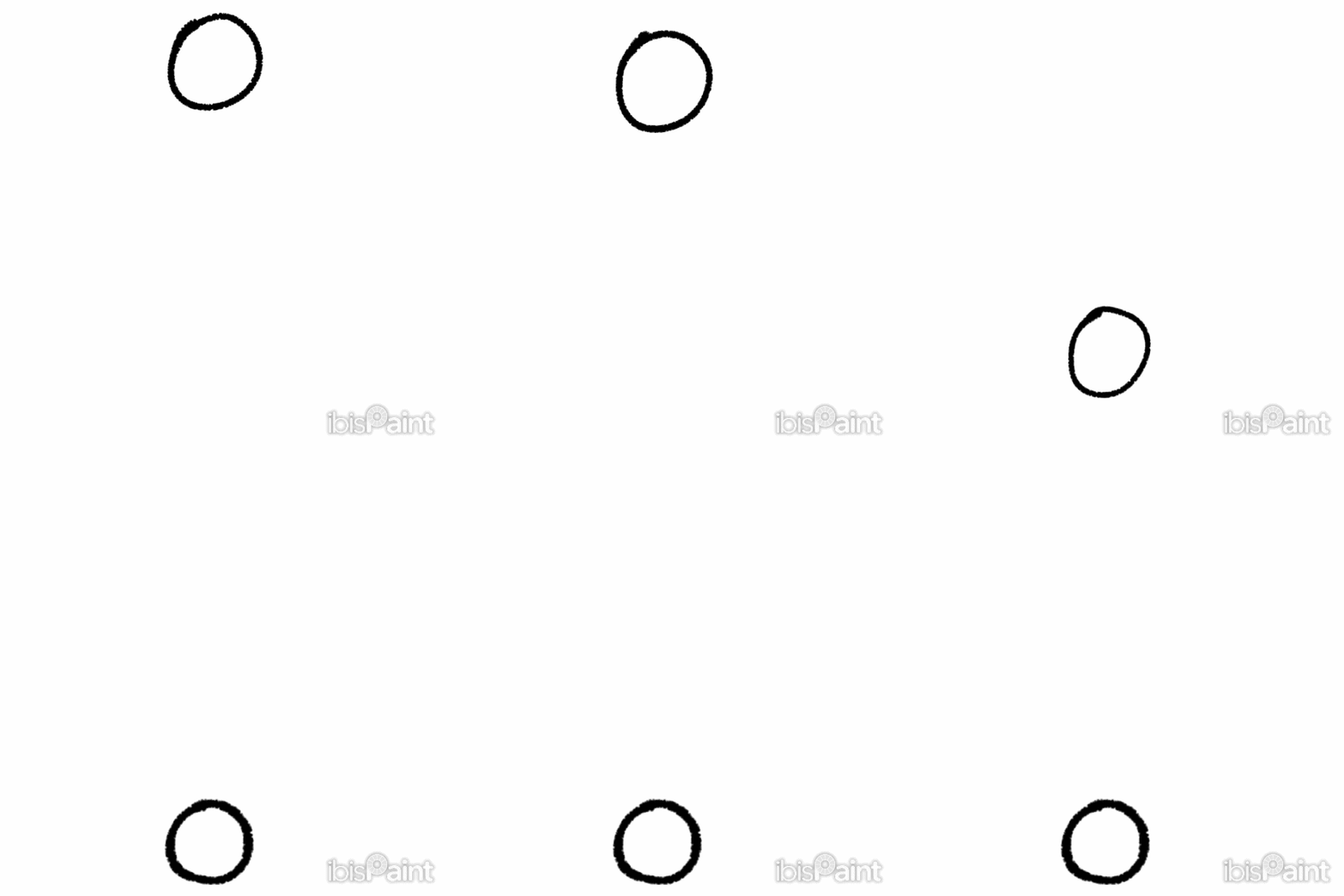
The more squash given to an object the softer it is, less squash means its stiffer.
2.
Staging
Staging is the unmistakable presentation of an action/idea so the audience has a good idea of what's going on. Staging can apply to timing, camera angles, positioning acting and setting.
The idea of staging is that you control where the audience is looking, characters and elements should not be fighting for the viewers attention, instead they should happen separately in succession. overlapping movements can be harder for the audience to read
Here's an example of a well staged animation:
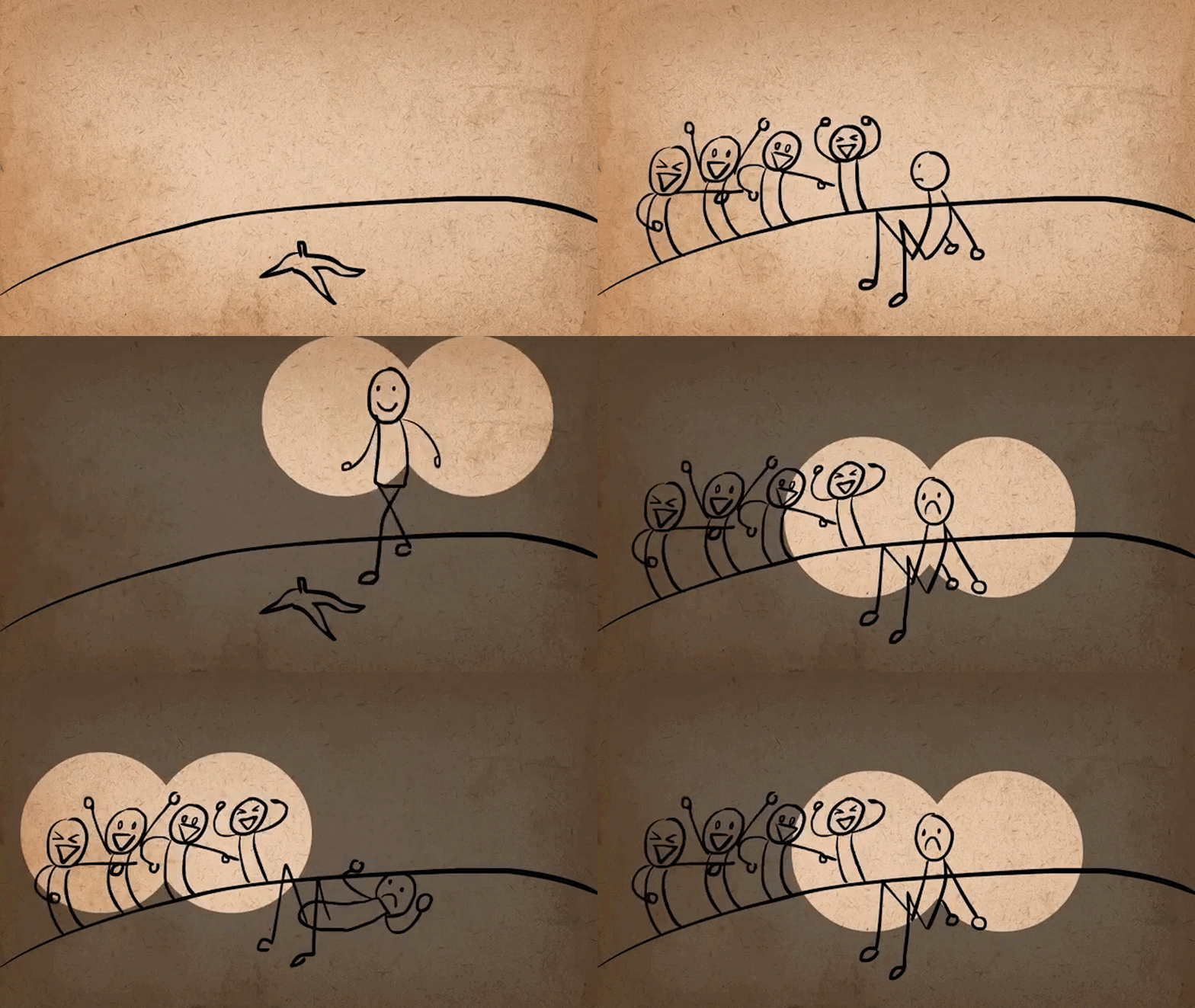
Staging also has to do with knowing how to frame certain actions. Having the camera close up is good for showing a character's emotions or small movements, having it further away is ideal for large actions. The main action should not be upstaged by other things happening in the shot.
Staging can also be about conveying ideas or emotions. if a character is sad, make sure the audience is aware of that by exaggerating their sadness. if I want to convey how small something is, I might use a higher angle to make it feel as if the viewer is looking down, and to exaggerate it's size
3.
Straight ahead & Pose to Pose
These are two ways of animating. straight ahead is drawing each frame after each other without much preparation. straight ahead is good for things like fire, wind and water, things with unpredictable movements. Pose to pose is drawing the main stages of an action, then going back and drawing the in-betweens. Pose to pose is better for big movements and character animation.
Here's an example of both methods:
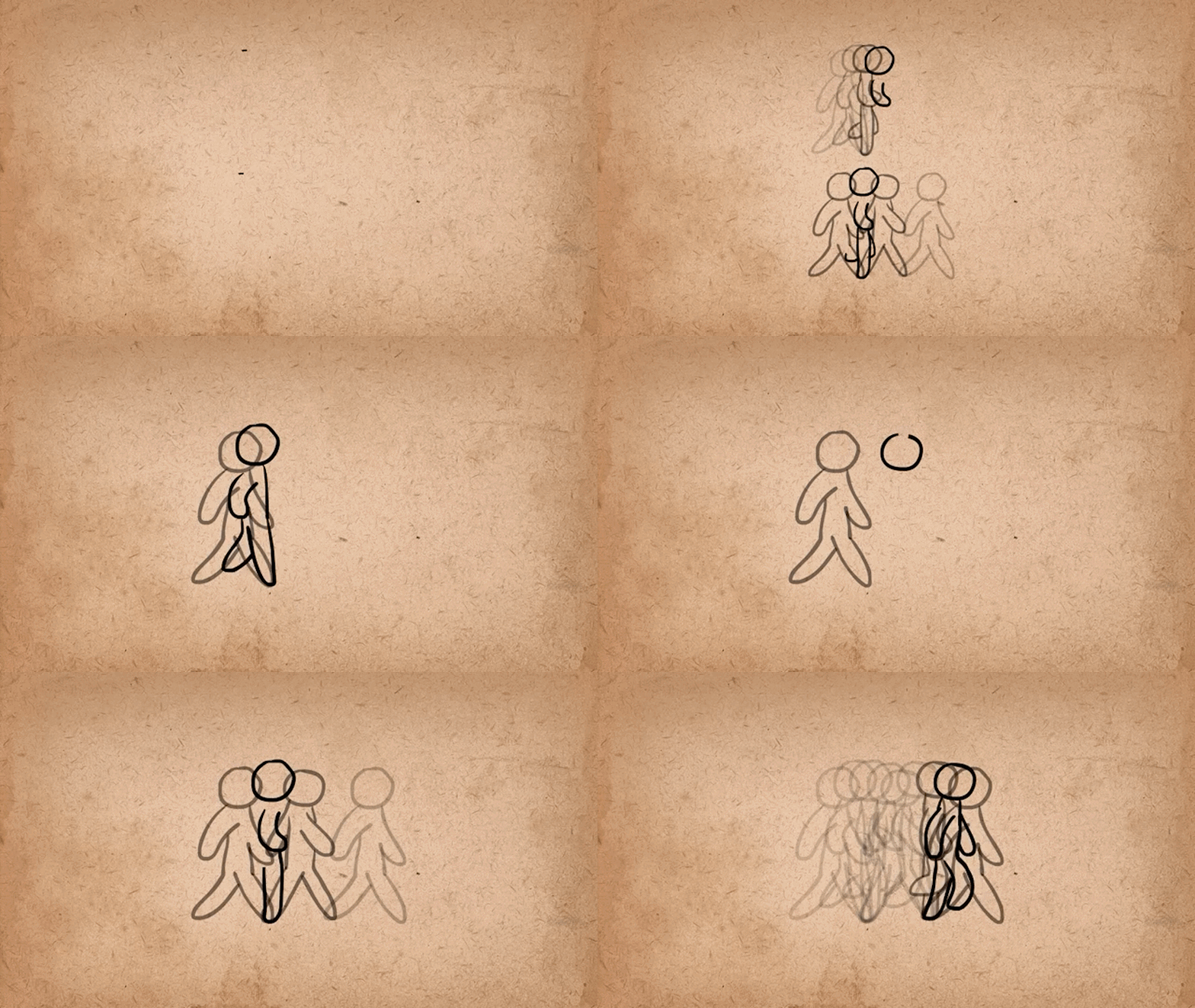
Since I'm making an animatic, I will most likely be using pose to pose, in order to block out my key movements. if I have time I may go back and fill in some in-betweens, but that's more of an extra thing ill do if i finish ahead of schedule.
in pose to pose, the main frames are called Keys, the more exaggerated in-betweens are Extremes and the poses that connect the extremes are break downs.
4.
Easing in and out
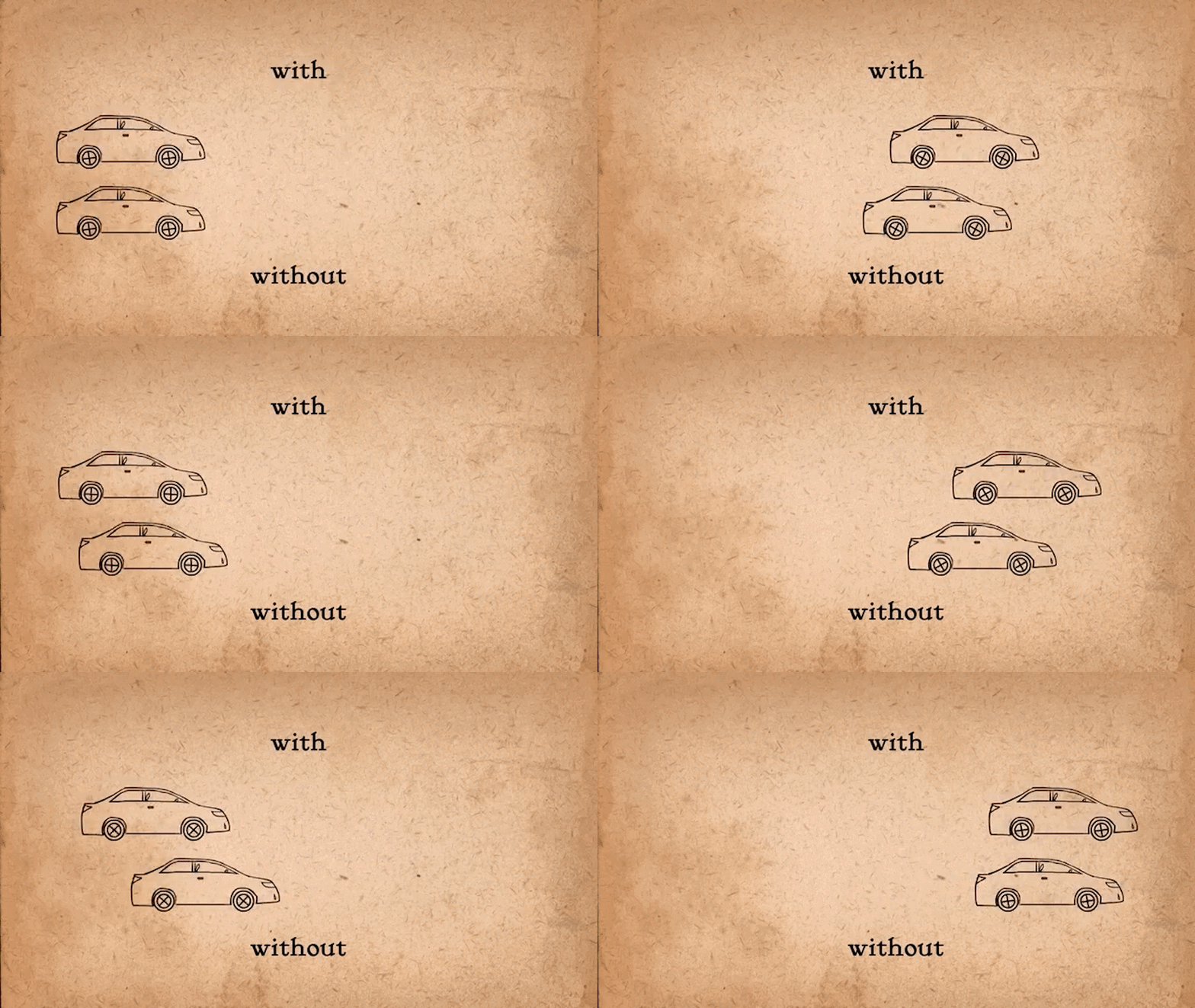
This is the idea that in an animation, frames at the beginning and end of an action should be closer together, withy the rest of the frames evenly spaced. frames closer together = slower, frames further apart = faster.
in order to create realistic looking movements, a motion must start slow, build speed and end slow.
Here's an example of an animation with easing and one without:
5.
Secondary action
Secondary action describes gestures/acting that supports the main action while enhancing the dimension of the character. if a man is walking angrily, the walk is the primary action, and his balled up fisted, hunched over stance and aggressive demeanour are the secondary action. these actions help the audience know how a character is feeling without any dialogue, and gives more personality to the action.
Here's an example of secondary action:
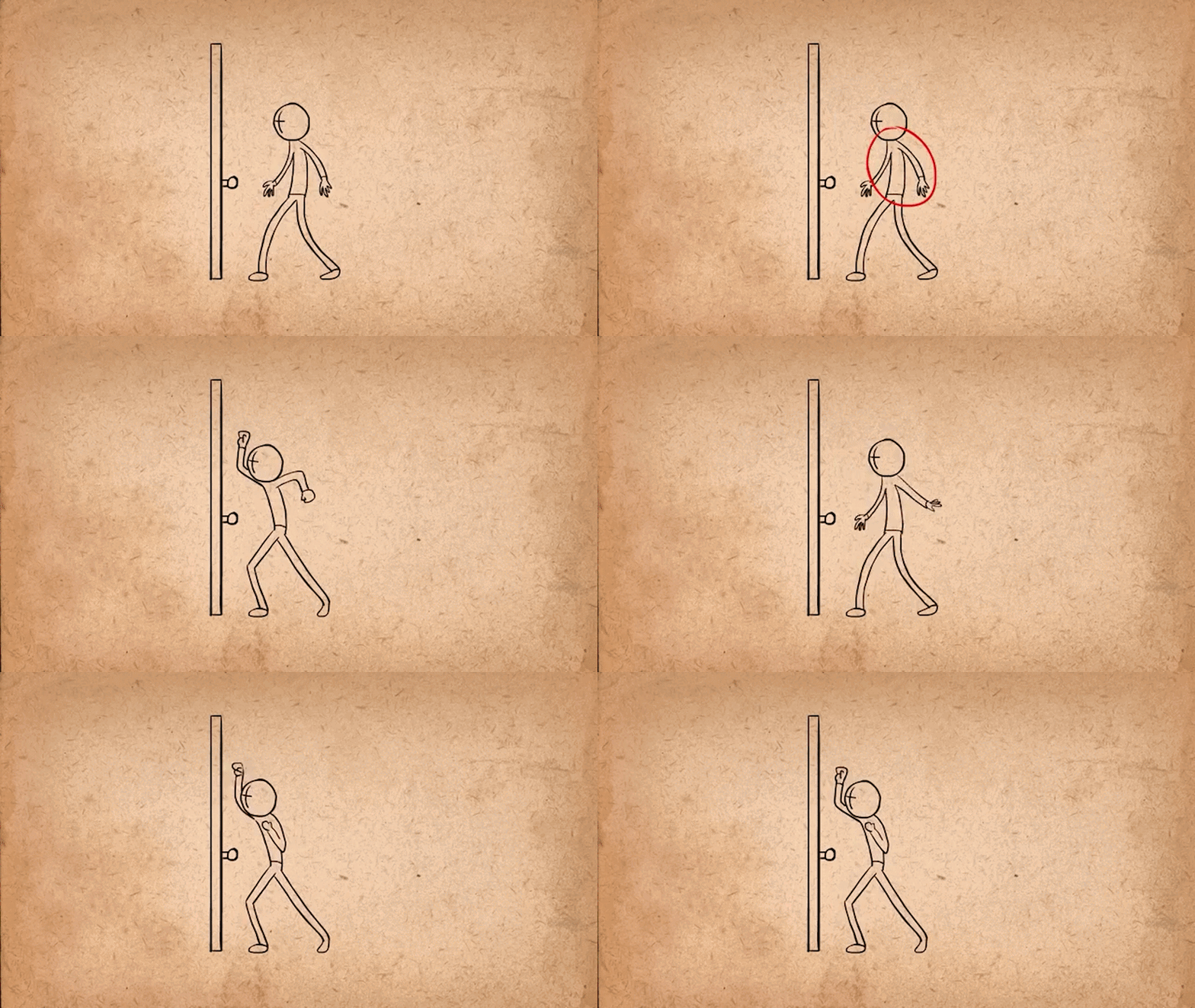
The primary action for this character is knocking, but by changing his stance or even just his left hand, we can convey different meanings.
6.
Exaggeration
Exaggeration is a big factor in animation. In order to convey meaning effectively, animators may exaggerate a characters movement or expressions. This helps the animation feel more lively, dynamic and to grip the viewers attention.
Here's an example of exaggeration:
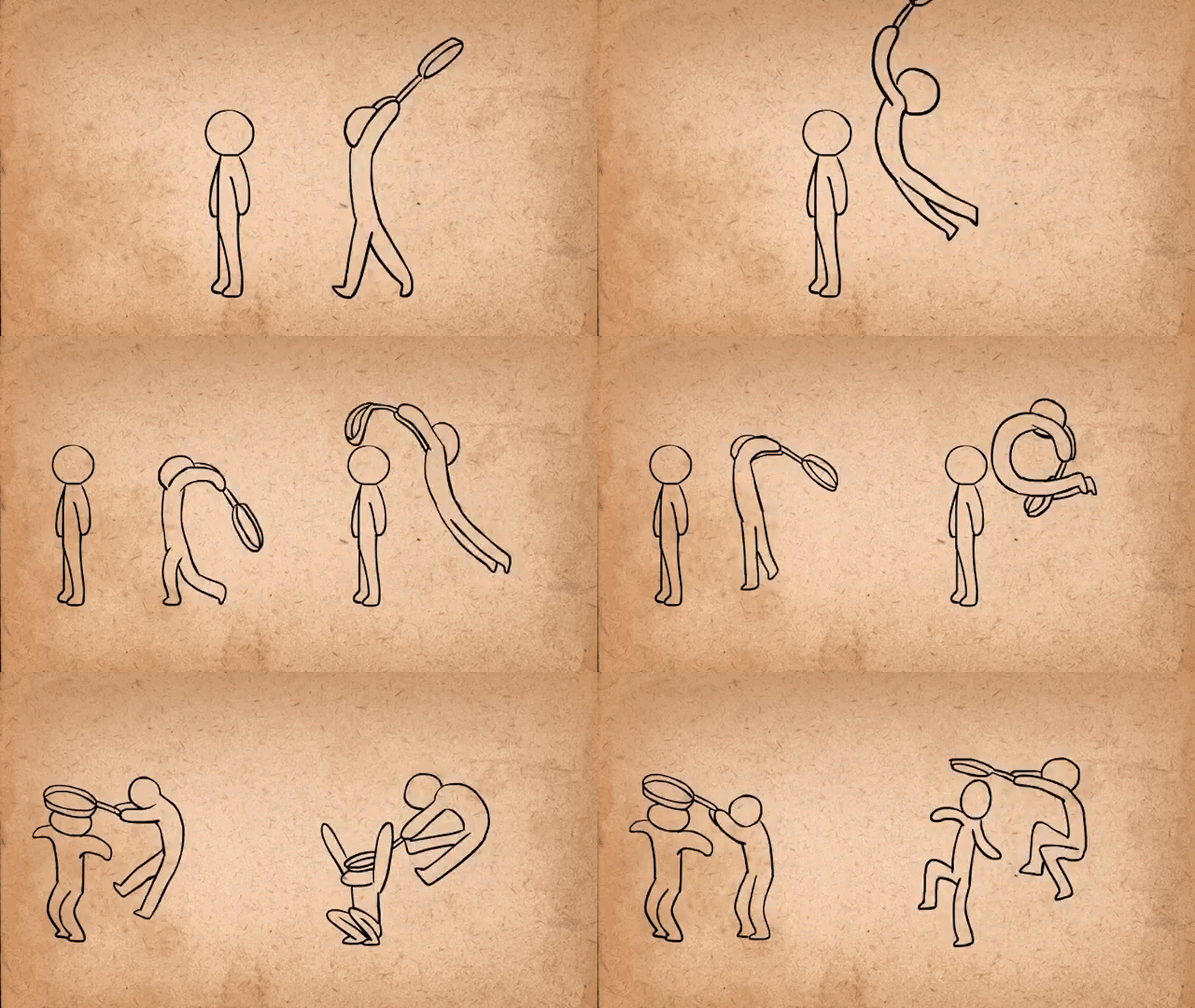
Everything can always be exaggerated..
7.
Solid Drawing & Appeal
Animating a character is significantly easier if you can imagine them in a 3d space, or draw them from all angles. Solid drawing is the principal that a well animated character will have their artist take weight and balance into consideration. animators often use 3d drawing techniques to block out the main shapes of their character and to ensure that the character is well proportioned from all angles.
Here's an example of solid drawing:
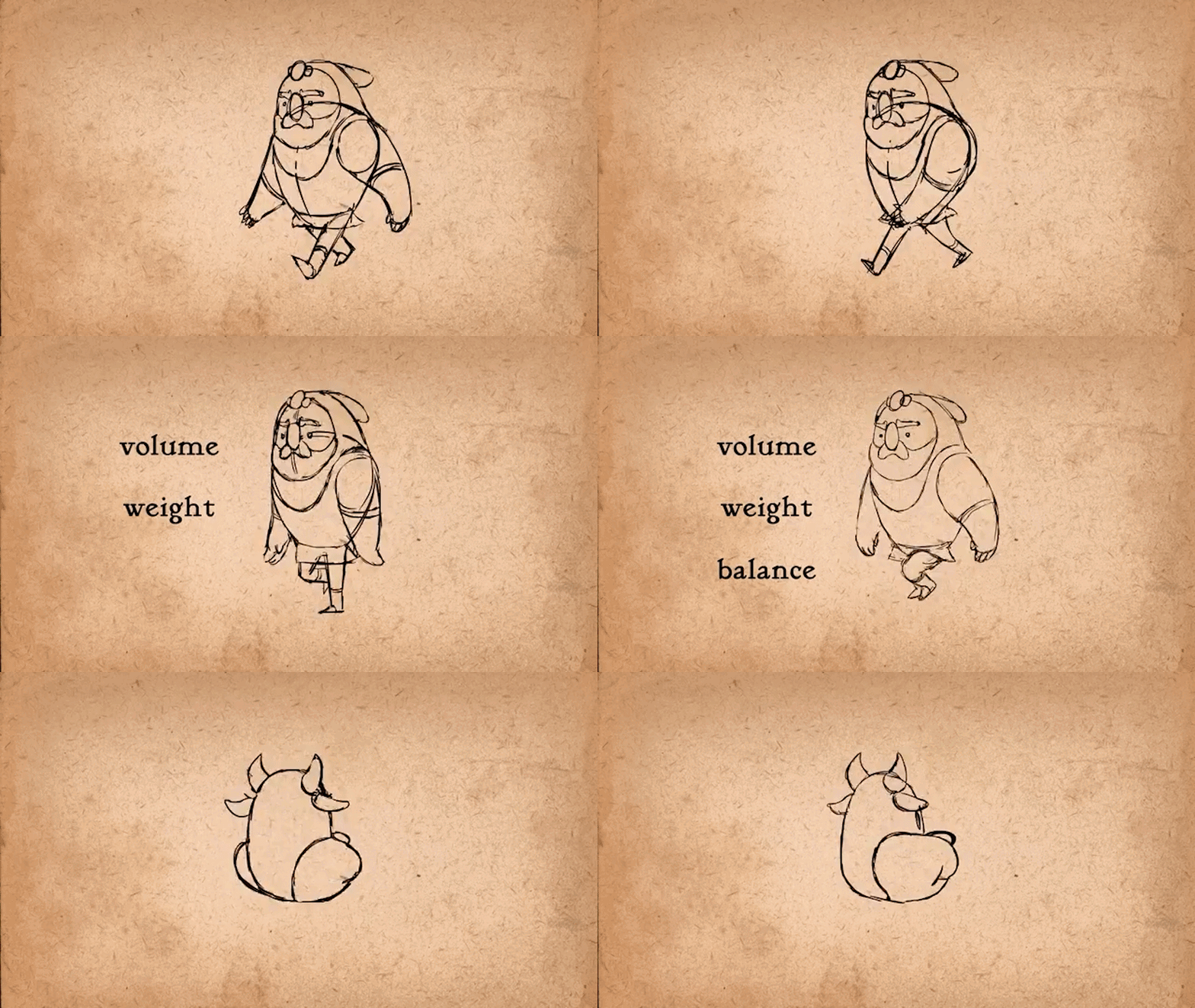
Appeal just means that characters must be somewhat appealing to look at, even if they're the villain or meant to look 'gross', they should still be appealing to the eye.
Character Design
Character Design
To create an appealing story and animatic I must have good, balanced character designs. they have to be appealing to the eye, simple/easy to draw and they must have personality. I want my audience to be able to figure something out about the character and the way they act just by looking at them.
Line of Action
when a character is striking a pose or in movement they should have a strong line of action through their body. this helps make things clear to the viewer while reenforcing the pose and making it feel stronger. Line of action may look like this:

Twinning
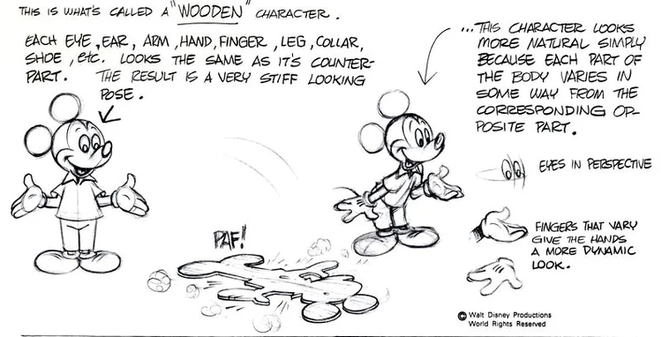
Twinning is a big no no in animation. you should avoid making arms and legs do the same thing since this makes a character look stiff and less dynamic. the appendages on the body should move/look independent form one another to avoid a robotic or wooden looking pose.
Silhouette
Each character should have an easily identifiable and distinct silhouette, allowing the audience to quickly and easily identify who is who. you should be able to get a fair amount of information about a character or pose based only off the silhouette

When designing a character for animation, artists usually go through multiple sages of creating and refining the design. These stages include briefing, research, construction, and finally, creating a model sheet. paperwork produced during this process can include turnarounds, explorations into the character's expressions/poses, rough sketches and a height chart to show the differences in size between characters.
Here are some examples of these sheets: